Benefits of renting vs buying equipment for better cash flow
Benefits of renting vs buying equipment are especially important for tradespeople who want to manage cash flow while keeping projects moving. In Busselton and across the South West, hiring equipment allows you to get the right gear without tying up money in assets that may only be used occasionally.
Why cash flow matters on local projects
Cash flow affects every part of a job. Materials, labour, fuel, and unexpected delays all add pressure. When large amounts of money are locked into equipment ownership, flexibility can disappear quickly.
Renting equipment helps keep money available for the parts of a project that change from week to week.
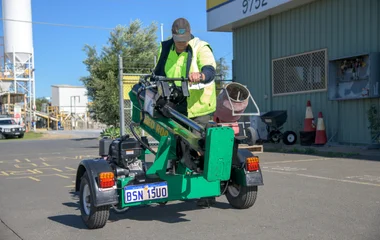
Renting equipment instead of buying
Buying equipment often involves a large upfront cost. Even after purchase, ongoing expenses continue.
When you rent equipment instead, you avoid many of these financial pressures.
Key differences include:
- No large capital purchase before work begins
- No long-term commitment to equipment you may not use often
- Clear hire periods that align with your project timeline
This approach works well for short jobs, seasonal work, or one-off tasks.
Lower upfront commitment
One of the biggest benefits of renting is avoiding the initial outlay required to buy machinery.
By hiring equipment:
- Funds remain available for materials and labour
- You reduce the risk of cash shortages during the job
- You avoid finance repayments on underused equipment
This can be especially helpful for small businesses and sole traders.
Predictable costs during the job
Unexpected costs can quickly impact profitability. Equipment ownership often brings surprise expenses, such as repairs or servicing.
Hiring equipment helps reduce this risk because:
- Equipment is maintained before each hire
- Servicing and safety checks are handled for you
- You know the hire period before starting work
This makes budgeting simpler and more predictable.
Reduced ongoing ownership costs
Owning equipment means more than just buying it.
Common ownership costs include:
- Maintenance and repairs
- Storage and security
- Insurance
- Depreciation over time
When you rent equipment, these costs are avoided. You pay only for the time you need the gear.
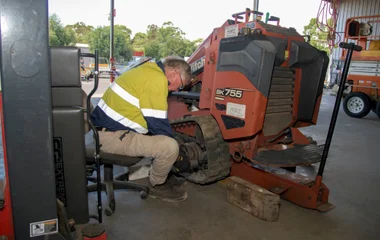
Less storage space required
Storage is often overlooked when comparing renting and buying.
Hiring equipment means:
- No need for sheds or yard space
- Less clutter at home or on site
- Reduced risk of theft or damage when equipment is not in use
For Busselton businesses and job sites with limited space, this can make a noticeable difference.
Australian tax considerations
In Australia, equipment hire costs are generally treated as operating expenses when used to produce income.
This can mean:
- Hire costs are commonly tax-deductible
- No depreciation schedules to manage
- Simpler end-of-financial-year reporting
Businesses should always confirm their specific situation with an accountant or tax adviser.
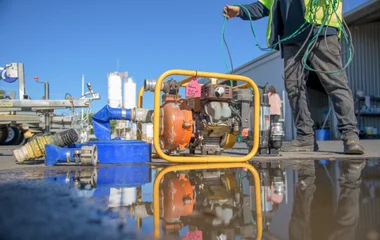
Access the right equipment without commitment
Every project is different. Renting allows you to select equipment that suits the task at hand rather than relying on what you already own.
This helps you:
- Match equipment to the job
- Avoid overworking unsuitable tools
- Complete tasks more efficiently
Benefits of renting vs buying equipment for local projects
If your thinking about renting vs buying equipment, drop in for a chat with our team. We are happy to answer any questions you might have.
For projects across Busselton and the South West, renting equipment supports better cash flow and greater flexibility. It allows you to focus on getting the job done without the long-term financial pressure of ownership.
If you need advice on choosing the right equipment, visit Busselton Equipment Hire at 9 Fairlawn Road, Busselton, or contact the team to discuss your project.