Your Winter Getaway Trailer Checklist: Bearings, Brakes and Lights
Winter in the South West is one of the best times to get away and head north to the warmer climates. Whether you are towing the boat, loading the caravan for a weekend, or heading out with the family trailer packed to the brim, a quick trailer repair or service in Busselton before you leave could save you a great deal of hassle on the road. Problems with bearings, brakes and lights are the most common causes of trailer breakdowns, and most of them can be identified and fixed before you depart.
Why Check Your Trailer Before a Winter Trip?
Trailers that have not been used for a few months tend to show wear more obviously when they are put back under load. Bearings lose lubrication. Lights develop corrosion. Brakes can stiffen or soften depending on how they have been stored.
The coastal conditions around Busselton and the South West also accelerate this process. Salt air, damp winters and sandy roads are much harder on metal components than most people realise. If your trailer spent time near the beach last season, it is worth giving it a thorough inspection before trusting it with a full load at highway speeds.
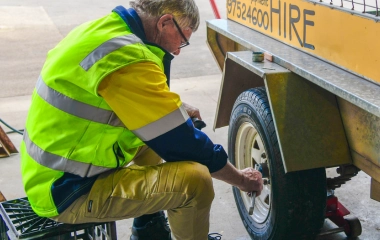
1. Trailer Bearing Maintenance & Warning Signs
Wheel bearings are one of the most common causes of trailer breakdowns. They are exactly the kind of component that can fail without warning on the highway if they have not been properly maintained.
Because bearings create extreme heat through friction when they run dry or wear down, keeping an ear and eye out for early warning signs is vital. Left unchecked, they can seize completely, causing the wheel to lock up or, in serious cases, detach while you are moving.
Warning signs your trailer bearings need attention:
- Unusual Noises: A distinct grinding, humming, or rumbling sound while the trailer is moving.
- Excessive Heat: Wheel hubs that feel unusually hot to the touch immediately after towing.
- Visible Leaks: Grease leaking or spraying out from around the wheel hub.
Safety First: Wheel bearings and other safety-critical components should always be inspected and repaired by a qualified mechanic. Always follow the manufacturer’s guidance and comply with relevant site safety requirements.
2. Trailer Brake Inspections & WA Regulations
Trailer brakes do not get talked about as often as vehicle brakes, but they matter just as much, especially when you are fully loaded, heading down a steep incline, or forced to make an emergency stop.
If your trailer has been sitting idle for several months, brake components can corrode, seize or lose effectiveness over time. This is particularly common for trailers stored in damp, exposed, or coastal areas across the South West.
Signs your trailer brakes need a professional check-up:
- Pushing: The sensation that the trailer is pushing your tow vehicle forward when slowing down.
- Pulling: The trailer veers or pulls noticeably to one side under braking.
- Lagging: A general feeling that your overall stopping distance has increased.
- Noise: Any grinding, squealing, or scraping sounds when applying the brakes.
Brake issues are a massive safety priority. In Western Australia, towing a trailer that does not meet strict road safety standards can result in hefty fines and your trailer being flagged as unroadworthy. Have them checked by a professional the moment you notice a change in performance.
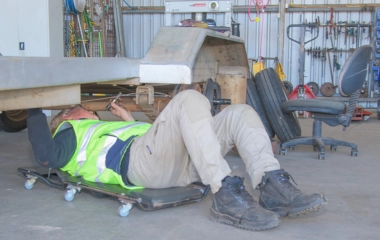
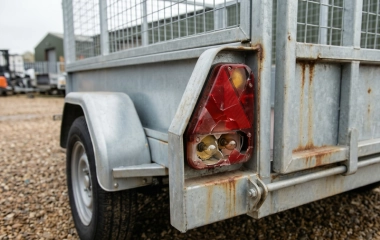
3. Troubleshooting Trailer Lights & Connections
Faulty trailer lights are one of the most common reasons drivers are pulled over. They can also be deceptively unreliable, working perfectly while the trailer is parked in your driveway, only to fail once you are on the road and the connections are exposed to constant movement and vibration.
Before setting off, carry out a full walk-around inspection and check that all indicators, brake lights, tail lights and reversing lights are functioning correctly.
What to look for if your trailer lights are malfunctioning:
- Flickering or Dimming: Usually caused by a loose connection or a weak earth wire.
- Intermittent Power: Often points to a corroded plug or damaged wiring along the trailer frame.
- Lights not working at all: This may point to a blown fuse, a disconnected plug or a complete break in the wiring.
Coastal conditions around Busselton mean that salt air and moisture corrode electrical connectors much faster than most people realise. A quick inspection and clean of the plugs before a long trip can save you a lot of hassle (and a fine) on the road.
Quick Pre-Trip Checklist for Trailer Safety
Before you head off, run through these essential checks to ensure your trailer is safe for the highway:
Book Your Trailer Repair in Busselton Before You Go
Do not let a busted bearing ruin your trip to the North West. Our workshop fills up fast ahead of school holidays and long weekends, so book your trailer service in Busselton today.
At Busselton Equipment Hire, our qualified mechanics work on all types of trailers, from boat trailers and caravans to box trailers and work trailers. We use genuine parts and assess every job before we begin, so you know exactly what needs doing and what it will cost. We also assist customers travelling from Dunsborough, Yallingup, Capel and Margaret River.
Visit us at 9 Fairlawn Road, Busselton, call 08 9752 4600, or get in touch through our website.
Frequently Asked Questions
How often should I have my trailer serviced in Busselton?
Most trailers benefit from a service every 6 to 12 months, or before any long trip. If your trailer sees heavy use, is stored near the coast, or has been sitting unused for an extended period, more frequent checks are worthwhile.
What are the warning signs that my trailer bearings need attention?
Listen for grinding, humming or rumbling sounds when towing. After a trip, check whether the wheel hubs feel unusually hot to touch, or if grease is leaking from around the hub. These are reliable early signs that bearing lubrication has broken down.
How can I tell if my trailer brakes are working correctly?
Signs of brake issues include the trailer pushing the tow vehicle forward when slowing, pulling to one side, longer stopping distances, or grinding sounds when braking. Any change in braking feel should be checked by a qualified mechanic promptly.
Why do trailer lights fail after the trailer has been sitting unused?
Trailer lights are exposed to moisture, salt air and vibration over time, causing corrosion in connectors and damage to wiring. A quick plug and wiring inspection before a long trip usually catches the problem early.
Does coastal salt air damage trailers faster in Busselton?
Yes. Salt, moisture and humidity in coastal areas accelerate corrosion on metal components, particularly the undercarriage and electrical connections. Washing the trailer down after beach use and scheduling regular inspections helps manage this.
Can I check my trailer bearings myself?
Basic visual checks are a good starting point. Look for grease leakage and feel for heat after towing. However, replacing or repacking bearings requires the right tools and knowledge. For anything beyond a visual check, a qualified mechanic should carry out the work.
What types of trailers does Busselton Equipment Hire service?
We work on boat trailers, caravans, box trailers, work trailers and general-purpose trailers. Each trailer is assessed before work begins so we can give you an accurate scope and quote.
How long does a trailer repair take at Busselton Equipment Hire?
Minor repairs such as lighting or tyre work can often be completed within a few hours. More involved jobs such as suspension or rust treatment may take longer. We will give you an honest timeframe when we assess your trailer.
Do you service trailers from areas outside Busselton?
Yes. We regularly assist customers from Dunsborough, Yallingup, Capel, Margaret River and surrounding South West WA. Drop your trailer in at 9 Fairlawn Road, Busselton.
How do I book a trailer repair or service in Busselton?
Call us on 08 9752 4600, visit us at 9 Fairlawn Road, Busselton, or submit an enquiry through our website. Our team will assess your trailer and discuss what work is needed before anything is carried out.